An artist’s focus on taxidermied animals at the Academy of Natural Sciences, and the connection to Philadelphia during the early republic
October 6, 2026
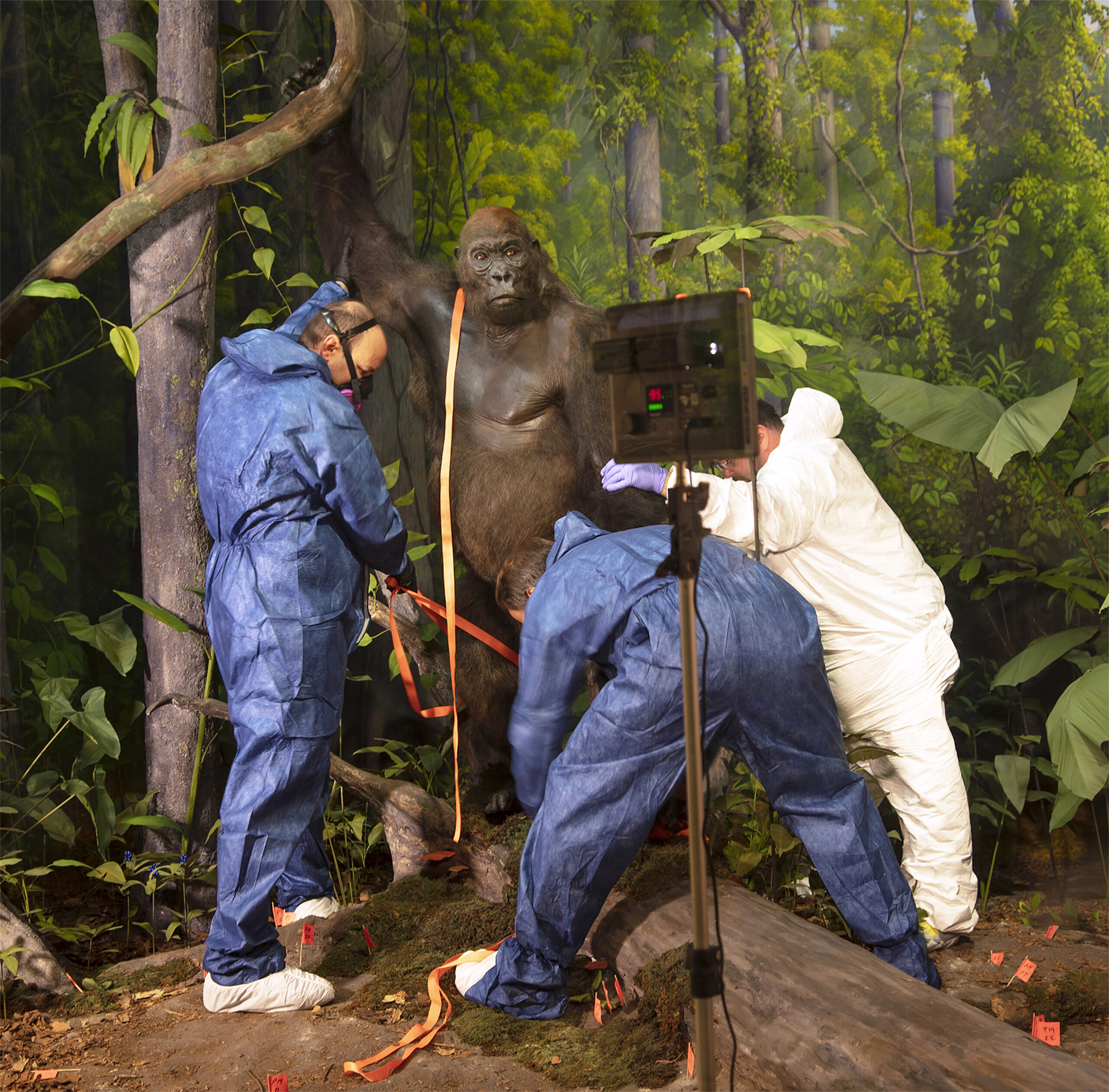
Back in Place by Eileen Neff, archival pigment on dibond, 60 x 61 inches, 2018; in the exhibition Through That Which Is Seen, March 29 to May 22, 2027, Rowan University Museum of Contemporary Art.
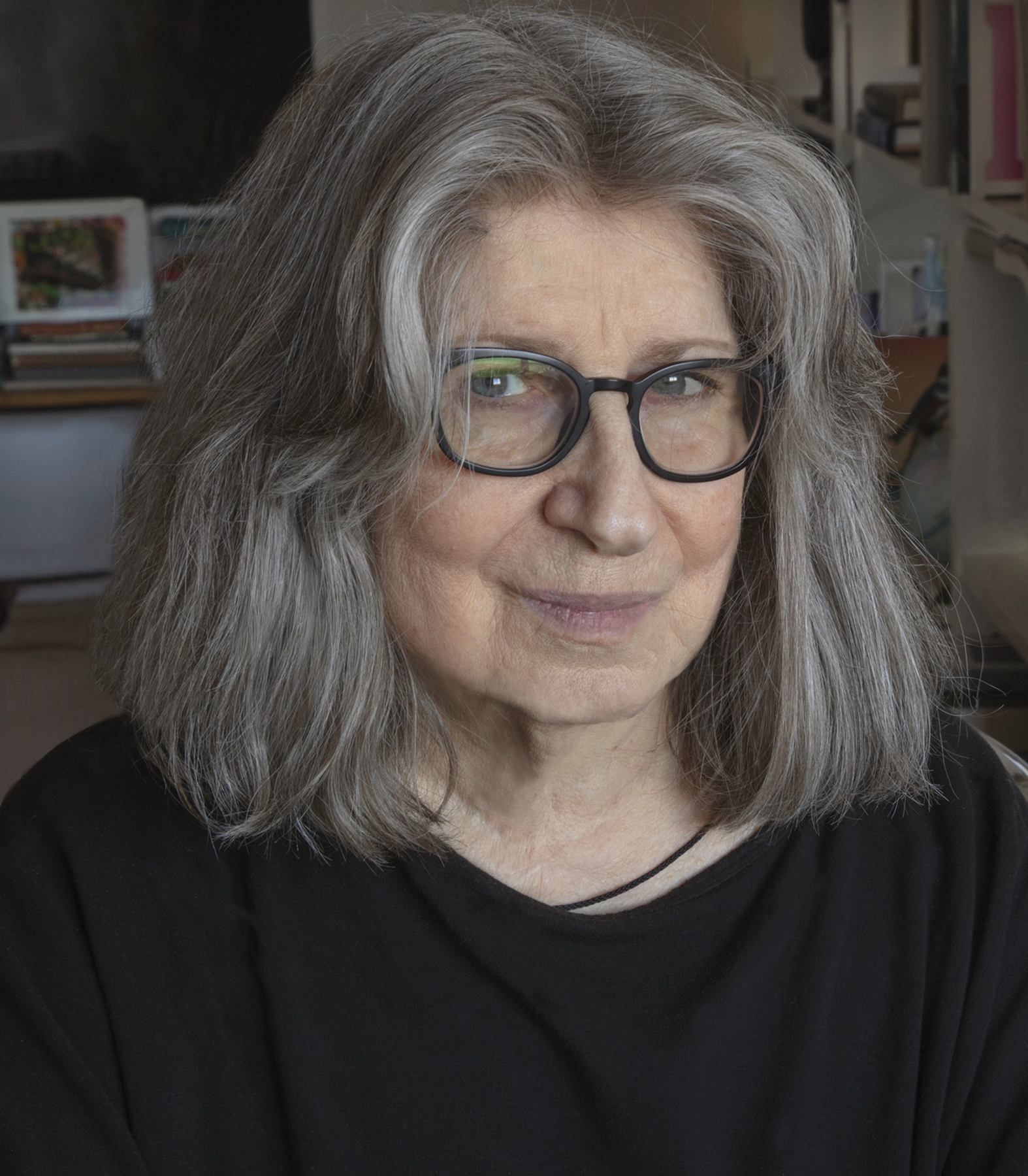
Portrait of Eileen Neff.
Contemporary artist Eileen Neff will talk about her upcoming exhibition Through That Which Is Seen opening at Rowan University this spring.
Artist Eileen Neff was working on the talk she will give at the Arthur Ross Gallery when the news broke that the Academy of Natural Sciences museum in Philadelphia was closing, including access to the dioramas she had photographed in 2018 as part of a creative project.
Now Neff will open her discussion with the closing of the museum. “It’s impossible not to acknowledge it, given how tied everything in my project is to the Academy of Natural Sciences,” Neff said. “It’s a cultural treasure, especially for Philadelphians.”
The talk, Through That Which Is Seen, and reception is Thursday, Oct. 22, from 5 p.m. to 7 p.m. in the Arthur Ross Gallery in the Fisher Fine Arts Library building at the University of Pennsylvania.
A lifelong Philadelphian, Neff is a multi-media artist who works primarily in photography. Neff will talk about her project photographing the restoration of two of the dioramas at the Academy of Natural Sciences, the first natural history museum in the nation, founded in 1812. As part of her project Neff conducted extensive archival research which included the work of the painter and naturalist Charles Willson Peale.
The Peale connection
The current Arthur Ross Gallery exhibition, At Liberty: Life in the City of Brotherly Love During the Early Republic, examines Philadelphia and its residents, including the Peale family of artists and America’s first international celebrity Benjamin Franklin, in the decades around the nation’s founding.
On view through Dec. 13, At Liberty is curated by Gwendolyn DuBois Shaw, Inaugural Faculty Director of the Arthur Ross Gallery, and the James and Nan Farquhar Professor of the History of Art at Penn.
At Liberty includes a 1785 portrait of Franklin by Peale (1741-1827), one of the founders of the Pennsylvania Academy of Fine Arts, the center for artistic training for most of the nation’s history. He also founded the Peale Museum, at one time located on the second floor of Independence Hall, which included taxidermied animals and skeletal reconstructions.
A video that is part of At Liberty, created by Drexel University students, includes a digital recreation of the Peale Museum. As part of her research for her project, Neff dove into the archives and into the life of Peale, depicted in a well-known 1822 self-portrait, Peale in His Museum, in PAFA’s collection.
Peale was the connection between Neff and Shaw. Neff was doing research on Moses Williams (1777-1825), an African-American artist who was enslaved by Peale. Shaw had published research about Williams, and Neff reached out with questions. Shaw later reached out to ask Neff to speak as part of the At Liberty programming. “It’s always nice to feature local artists in connection with an exhibition,” Shaw said.
The Academy of Natural Sciences
When Drexel University announced last month that it had decided to close the Academy of Natural Sciences museum, the public responded with record crowds and protests and petitions. However, the museum’s last day open to the public was Sept. 27, and its future is unknown.
“Now that the Academy museum has closed, I would like to generate some conversation about, and bring awareness to, what we are losing,” Shaw said, “I would like to reflect upon the legacy of these institutions and the ways that they were so key to the period of the early republic, and to the creation of a national culture around natural history and display and portraiture and museum practice. They were central to the cultural life of Philadelphia.”
Neff, who has been teaching at universities for more than 50 years, was on the Fine Arts faculty at Penn in what is now the Stuart Weitzman School of Design from 2007 to 2009, as a critic and an instructor in photography. Currently she is on the faculty of the Tyler School of Art at Temple University, where she earned her MFA, working with graduate students in painting or photography.
Neff has been visiting the Academy of Natural Sciences since she was a child, and now lives within walking distance of the museum. In 2018 when she learned about a plan to renovate and refresh two of the dioramas created in the 1930s, Neff proposed a photography project and received permission to accompany the process.
Through That Which Is Seen exhibition
One diorama included gorillas and the other takins, a sheep-like Himalayan hoofed mammal. For seven months Neff photographed the renovations from start to finish.
Neff’s photo project exhibition was put on hold due to the 2020 pandemic, but now it is back on track, scheduled to be on view at Rowan University Museum of Contemporary Art in the spring, March 29 to May 22, with the opening celebration on April 10. Her talk is named after her exhibition’s title, Through That Which is Seen.
Because of toxins used to preserve the animal skins, workers wore hazardous material gear during the diorama renovations. “They had built a room around the room, when they discovered how toxic the atmosphere was from the arsenic used in the taxidermy, a process that Peale had refined centuries before,” Neff said. “The disassembling offered so many unexpected images, and I was captivated.”
Shaw said the photographs Neff made have “an otherworldly feel, like space astronauts on different planets” with the humans in hazmat suits interacting with the objects in the dioramas.
“The critters, the taxidermied animals, were on the move. They were being wheeled out and wheeled back and they appeared reanimated in this very peculiar way,” Neff said. “It was strangely emotional, the effect of what I was witnessing.” The exhibition will be primarily photography, some images in large formats, but also will feature a three-dimensional piece. “My work has always been in collaboration with the natural world, one way or another,” Neff said.